What Is Multi-Access Edge Computing?
Edge Computing will remain an essential part of our lives because it will be at the core of the 4.0 industry. With Edge Computing, machines will have sensors for real-time calculations and gather a lot more information. Edge Computing can apply real-time algorithms to data, eliminating most process errors.
In this post, we will dive deeper into what Edge Computing represents and the visibility it provides to companies.
Edge Computing Revolutionizing Communications
Simply put, we can say that Edge Computing refers to computing taking place at the edge of the network instead of on a centralized server. Its implementations are part of a distributed infrastructure. This brings computing power closer to those who use or consume such data.
The key to Edge Computing is that it expands resources far beyond the formerly dominant control center. Today, Edge Computing looks into the future, as the data center did a dozen years ago.
The key is that it is a form of distributed computing. In the past, we could see a cycle between more centralized computing (such as the first mainframes) and more distributed models (such as networked PCs). Today, the trend towards Edge Computing has been a move towards a more diffuse multi-cloud computing model.
Perhaps you may not notice, but we interact daily with devices that leverage Edge Computing. For example, today, you work from home and connect to a business network, and by doing so, you are using Edge Computing.
What Are Its Benefits?
Edge Computing offers excellent benefits compared to centralized computing models, including:
- Speed: If you process data close to where they are generated, you do not have to wait for them to go to the cloud and vice versa. This reduction in latency results in a more remarkable performance.
- Reduced network loads: Today, devices generate such a volume of data that networks may find it difficult to keep up-to-date. More processing closer to the edge reduces network bandwidth loads, thus freeing capacity for more critical workloads.
- Reduced costs: Transmission of fewer data can also result in less data transmission-related costs. This can be relevant, particularly in a world where mobile data fees are high.
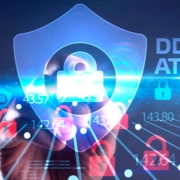
- Improved security: If data were stored and processed at a location, you would give attackers a larger and more attractive target, but edge computing makes it less likely to have a large amount of data. Besides, edge computing makes distributed denial of service (DDoS) attacks more difficult.
As you can see, Edge Computing is essential to our lives and will keep permeating across all aspects of our daily life.
At NGIN Services, we offer a variety of leading-edge solutions for the infrastructure that your company needs. Contact us and tell us about the challenges you had this year and those that will lie ahead in 2022. We want to help you!